
Porous nickel framework
A three-dimensional metal structure supports electrode and coating development.
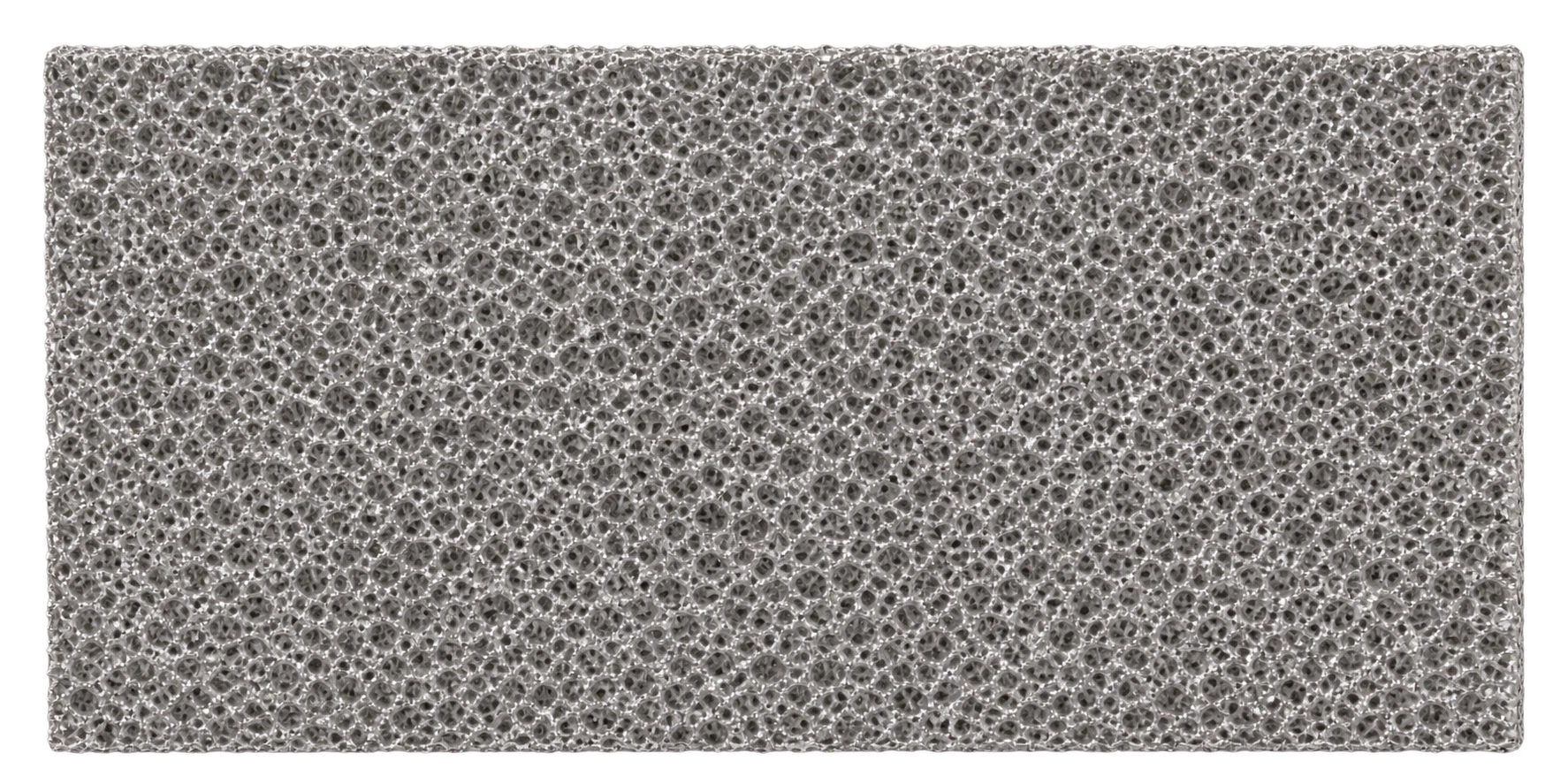
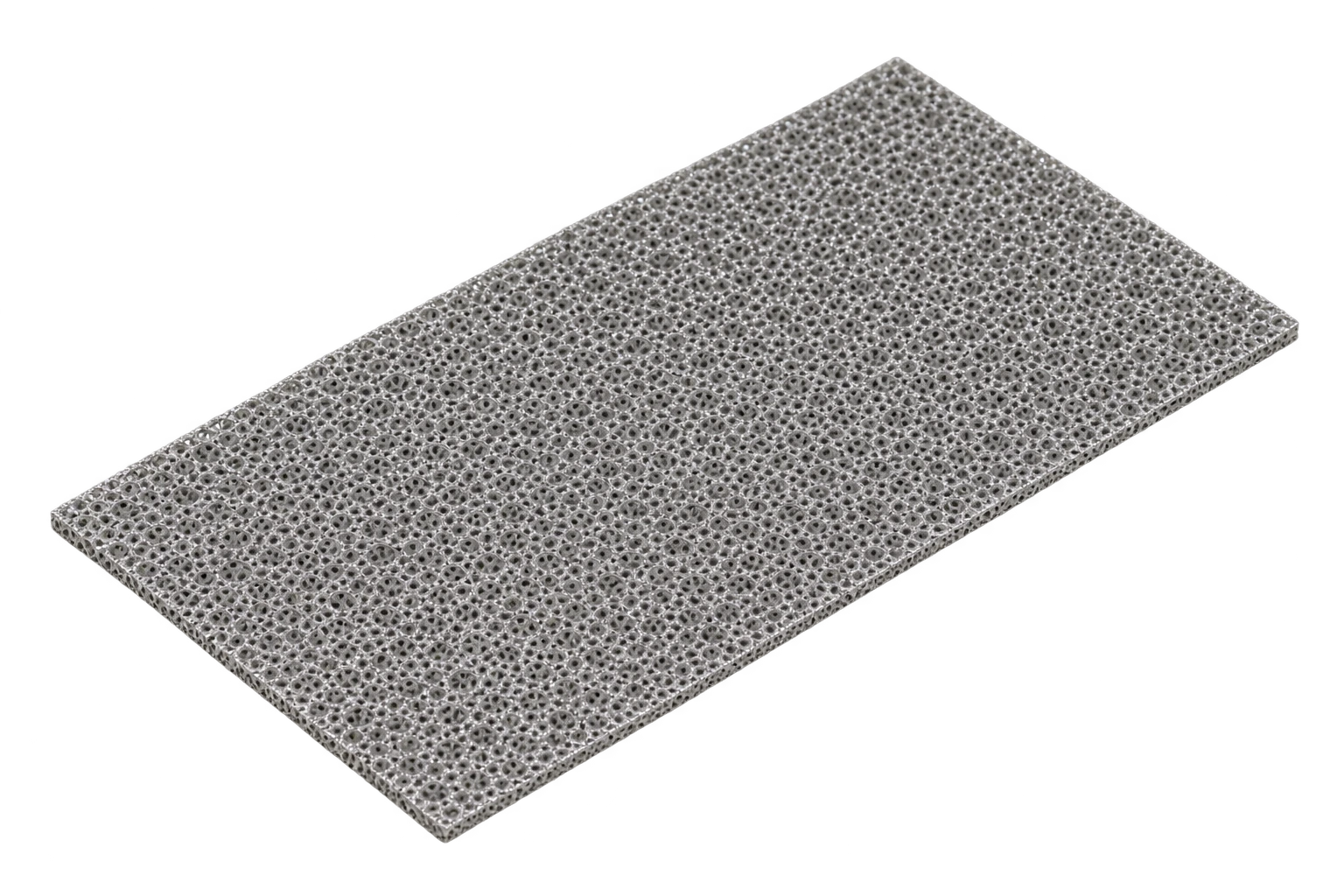
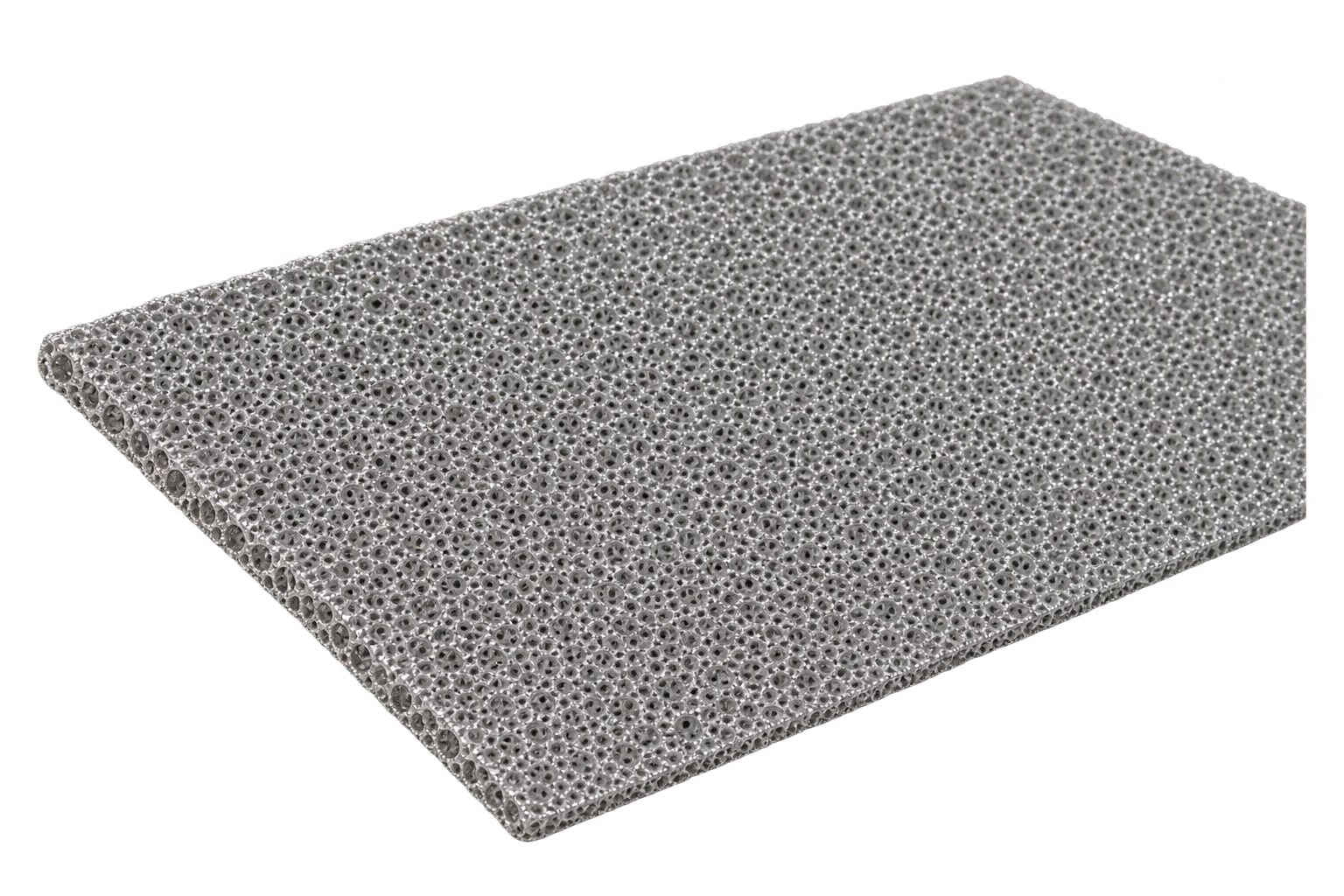
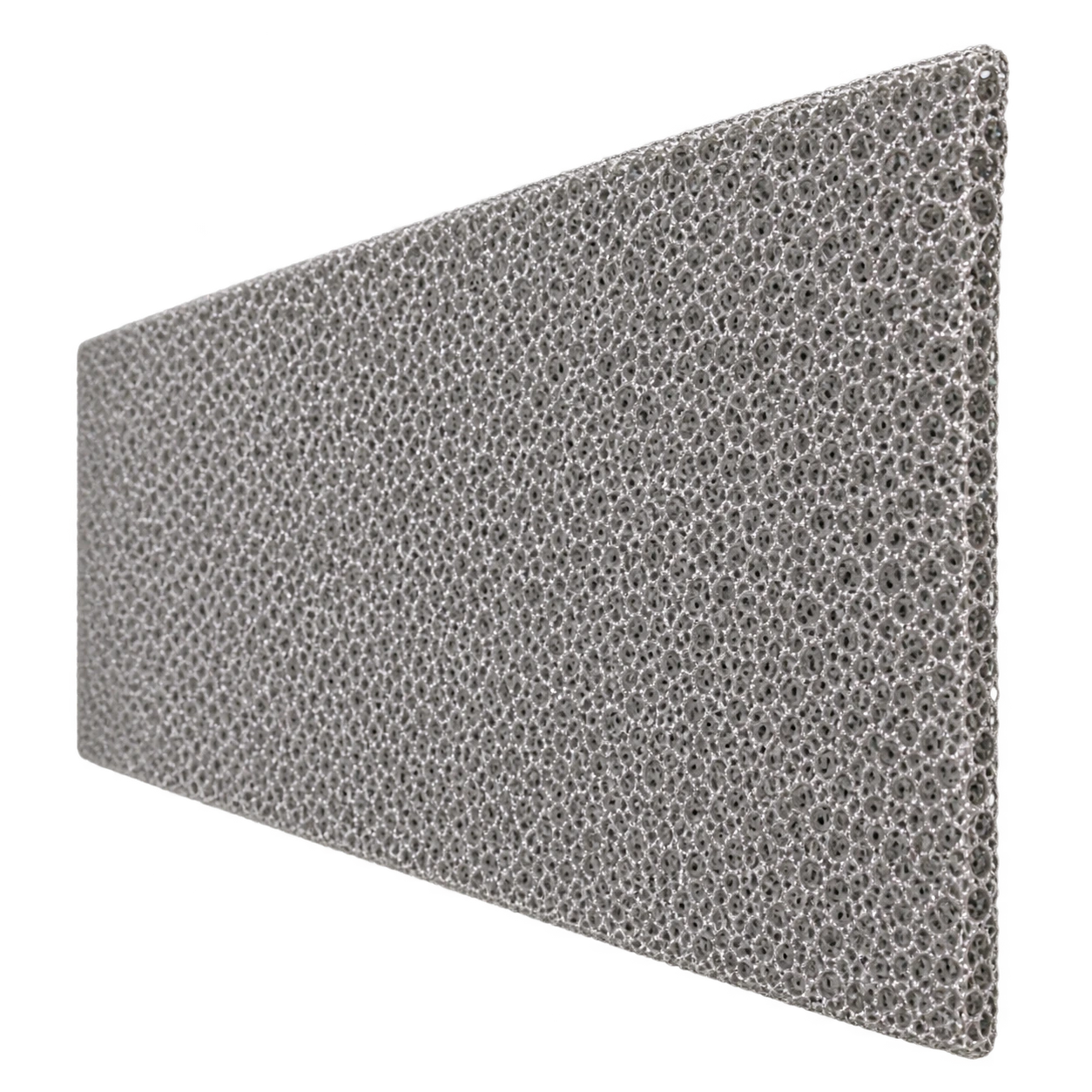
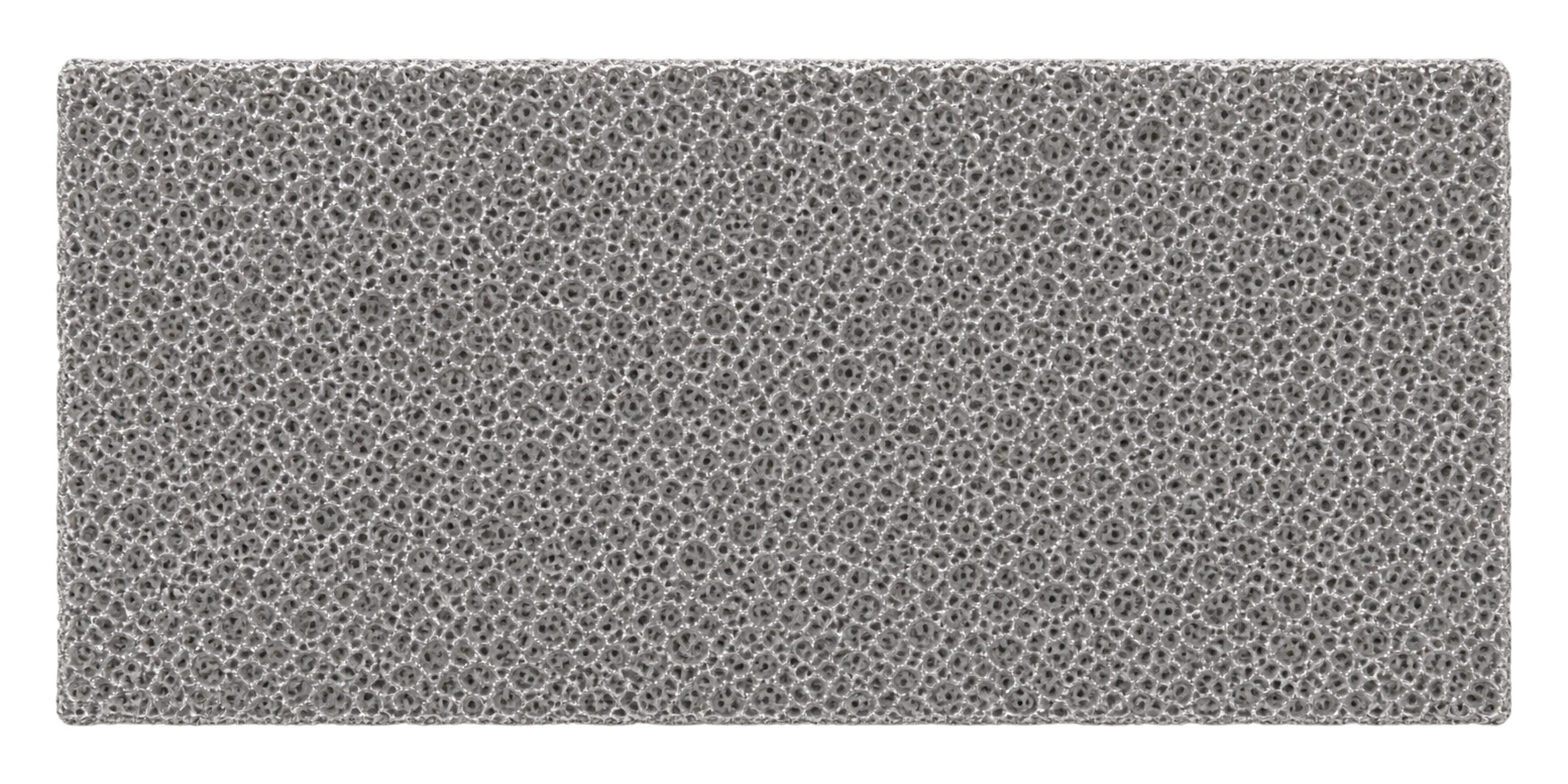
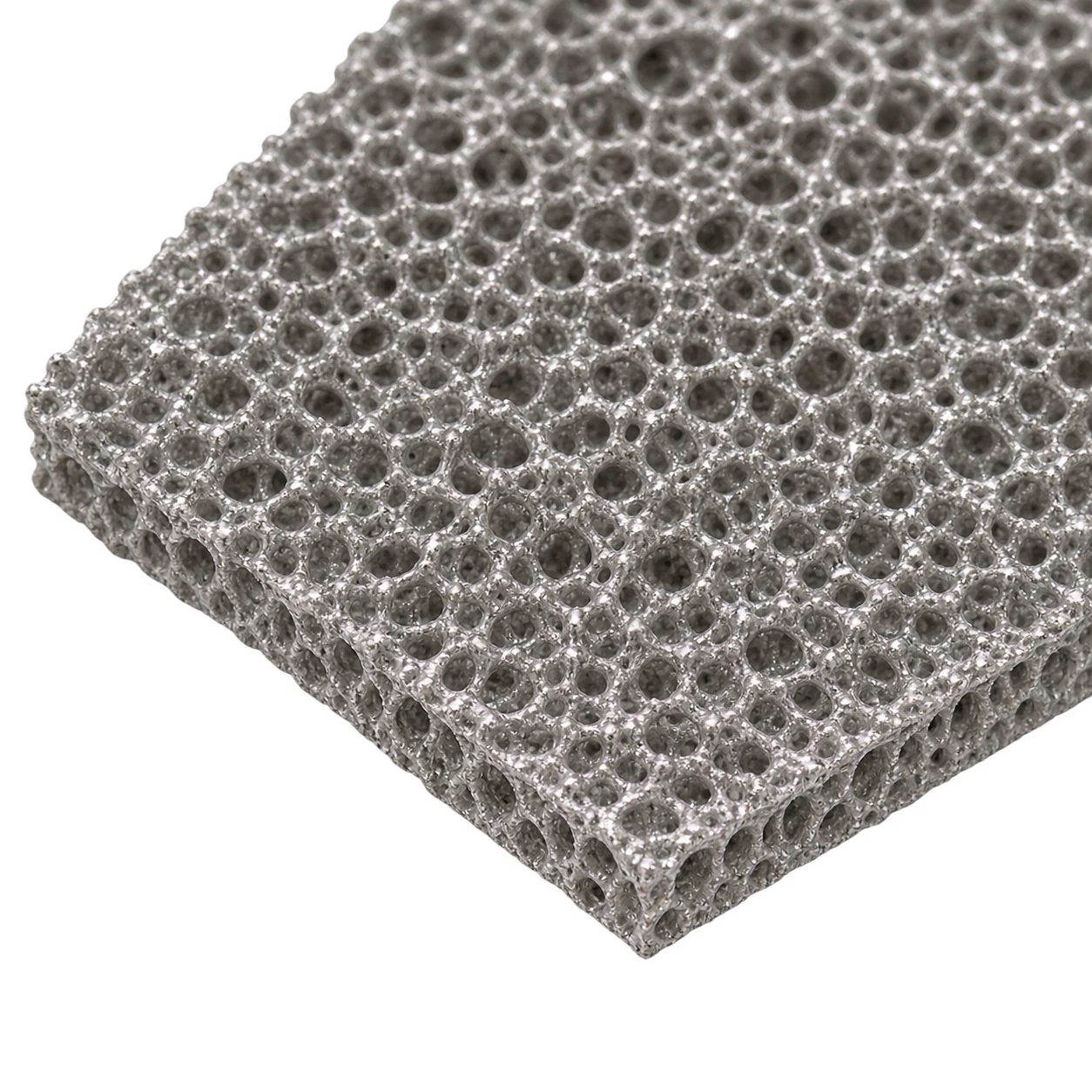
Prepare porous electrodes and catalyst supports with nickel foam supplied in the listed sheet sizes. Its interconnected metal structure provides a conductive framework for coating, fluid access and electrochemical investigation. Select the required dimensions and confirm pore grade, surface preparation and electrolyte compatibility before incorporating the material into your experimental system.
Price range: £32.00 through £149.00
Trusted by researchers and innovators worldwide




Product overview
Nickel foam is a porous metallic scaffold used in electrode development, catalysis and related materials investigations. The archived listing also describes filtration and thermal-management applications. Its quoted pore, porosity and density ranges refer to the catalogue family; confirm the grade associated with a selected sheet where those values determine experimental behaviour.
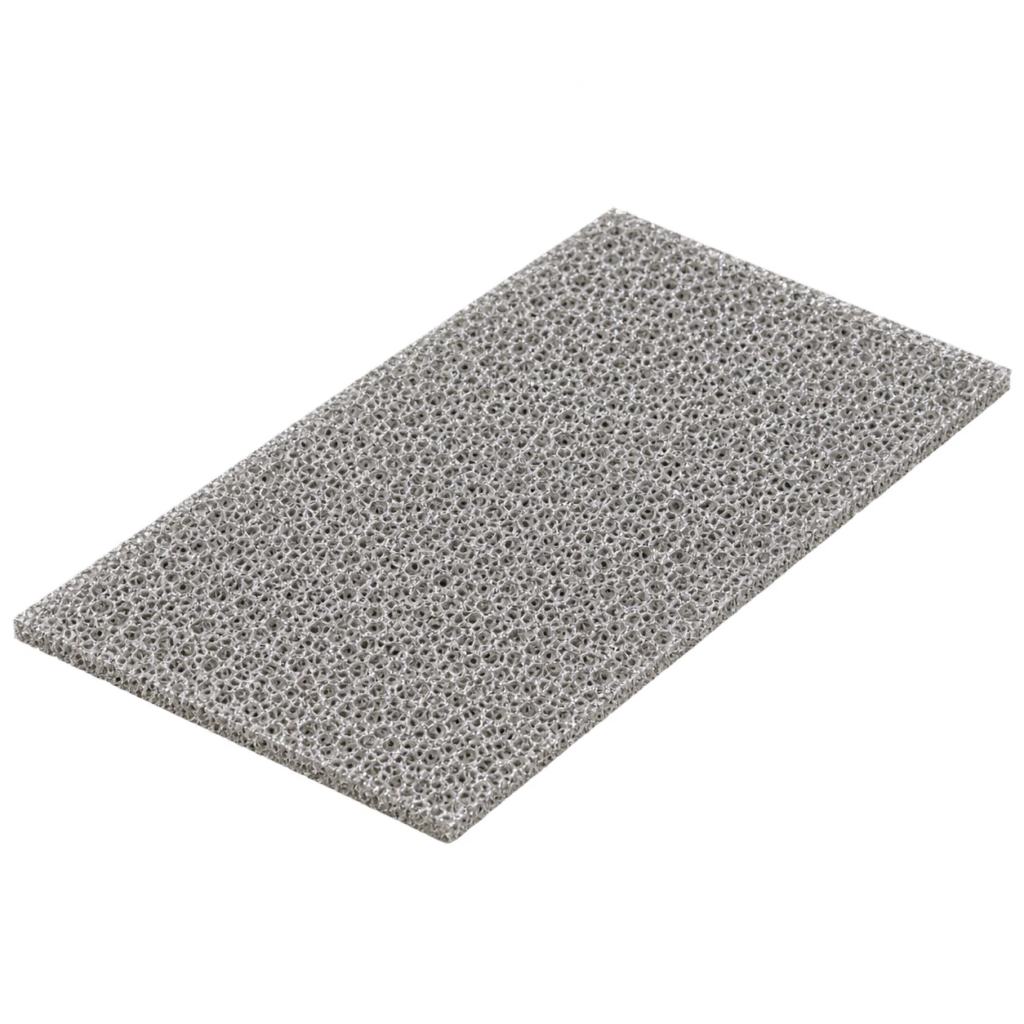
A three-dimensional metal structure supports electrode and coating development.
The open structure allows investigation of fluid transport through the substrate.
The original sheet choices and corresponding prices remain linked.
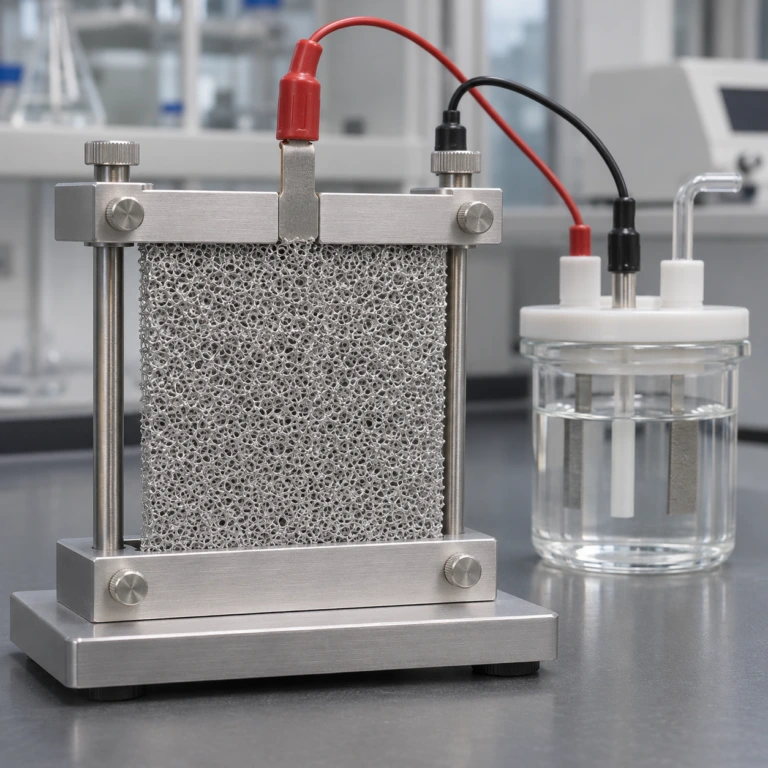
Develop electrodes using a nickel framework in a compatible chemistry.
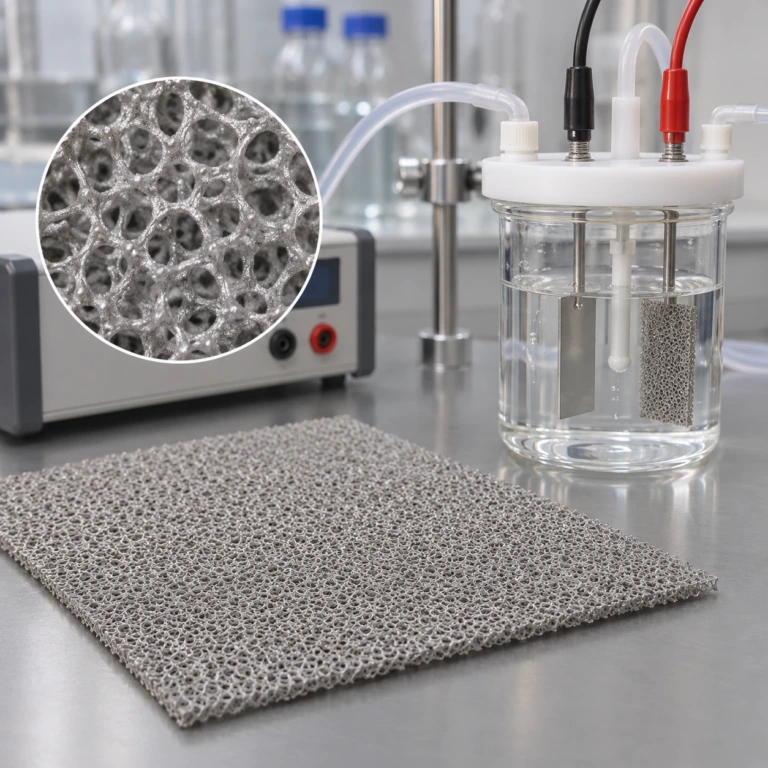
Study catalyst deposition and performance on a conductive porous scaffold.
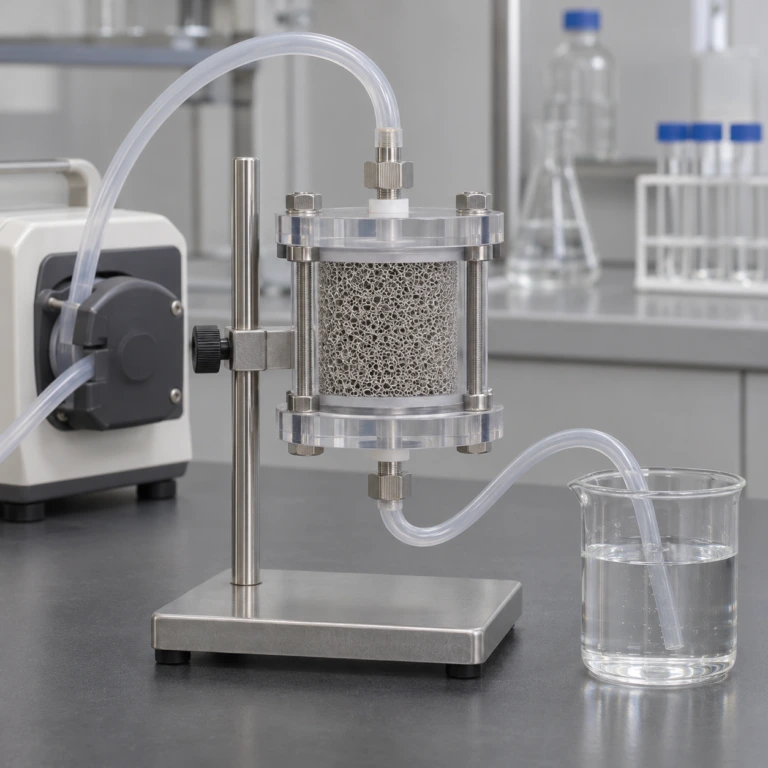
Evaluate fluid passage and filtration within a defined test assembly.
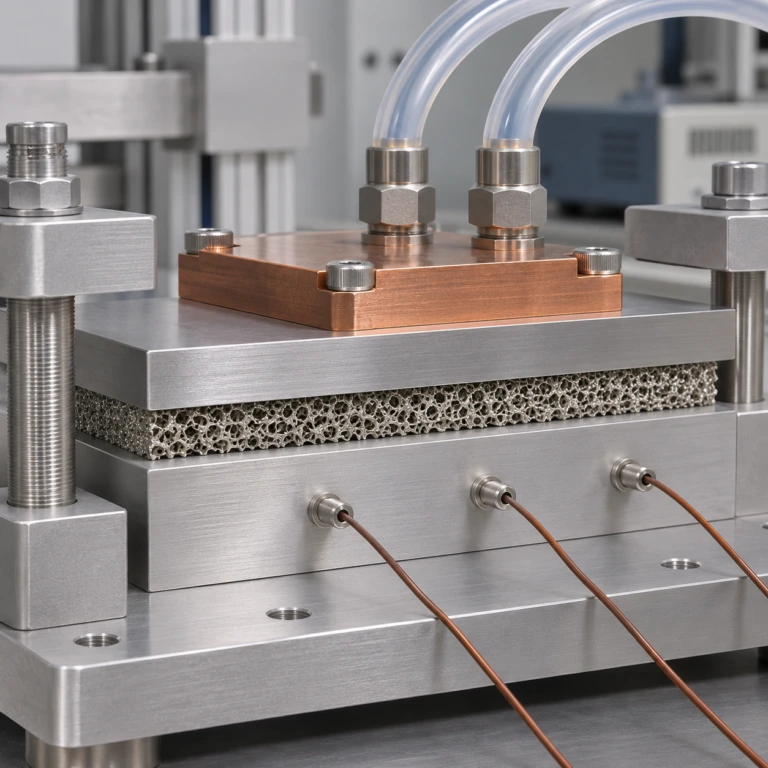
Investigate heat transfer in a porous metallic structure.
| Size | 100x100x1 | 100x200x1 | 100x300x1 |
|---|---|
| Material | Nickel foam |
| Catalogue porosity range | 95–98%; grade dependent |
| Catalogue pore range | 0.1–10 mm; grade dependent |
| Dimensions | N/A |
|---|
The source does not provide that mapping. Confirm both the dimensional option and pore specification.
Nickel compatibility depends on the chemistry and operating potential. Select it against the requirements of your experiment.
Size: 100x100x1, 100x200x1, 100x300x1. Confirm the exact configuration and any required supporting documentation.
Include the required configuration, quantity and intended application, together with any dimensional drawing or technical documentation needed for selection. Pricing and supply details can then be confirmed for your request.
Related products
 In stock
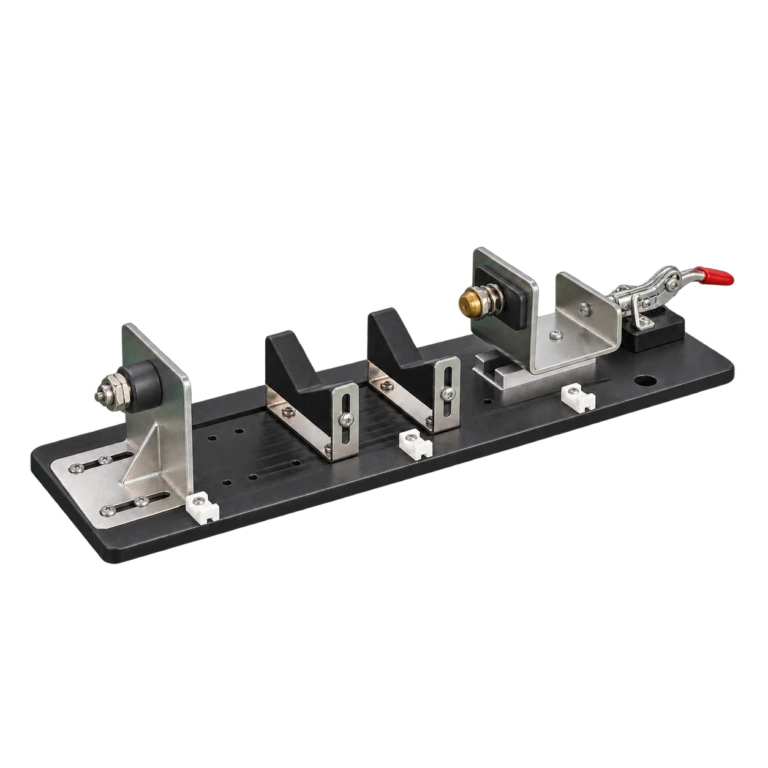
Position cylindrical battery samples with a horizontal toggle test clamp featuring adjustable fixation and separate measurement contacts. The catalogue identifies a 60140 cell format and an 8 mm pole diameter. Because the product title and description state different current ratings, confirm the actual electrical limits and contact geometry before planning high-current tests.
 In stock
Develop electrode and current-collector assemblies with carbon-coated copper sheet. The copper substrate provides a conductive base, while the carbon surface supports investigation of electrode interfaces. Specify the required sheet and coating dimensions for your project, and confirm the exact material configuration before comparing performance across battery or capacitor experiments.
 In stock
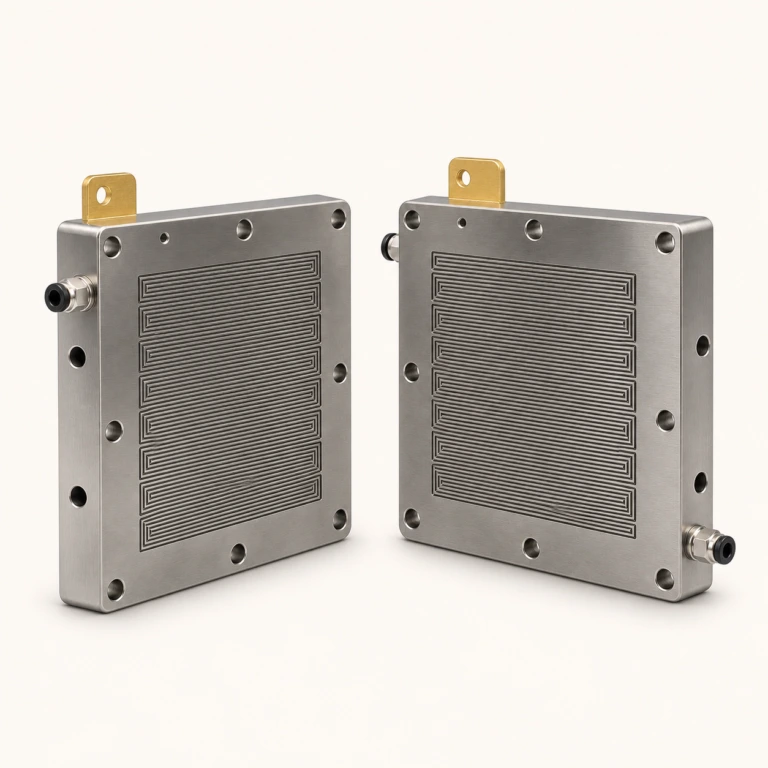
Investigate electrochemical carbon-dioxide conversion using a titanium-based cell assembly with documented plate and partition dimensions. The listing describes a research platform for testing reaction conditions and cell components. Match catalysts, membrane, gas handling and analytical equipment to your experiment; product selectivity and conversion performance depend on the complete system and operating method.
 In stock
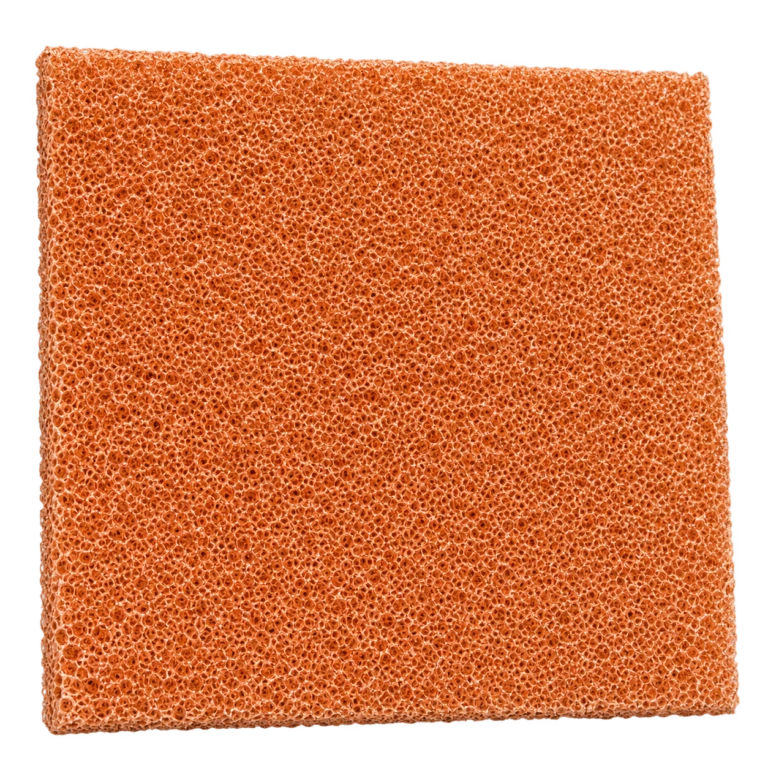
Build porous electrodes and catalyst supports with conductive copper foam in the listed sheet sizes. Its open structure combines a metal framework with space for fluid movement and material deposition. Use the available dimensional options to plan your experiment, and confirm pore specification, chemical compatibility and processing requirements for the intended application.
 In stock
Integrate a flexible conductive fabric into electronic shielding and component-development projects. This material combines a polyester textile with copper and nickel, offering a form that can be cut around a design. Confirm the supplied thickness, resistance, bonding method and tested shielding specification against the frequency range and assembly requirements of your application.
 In stock
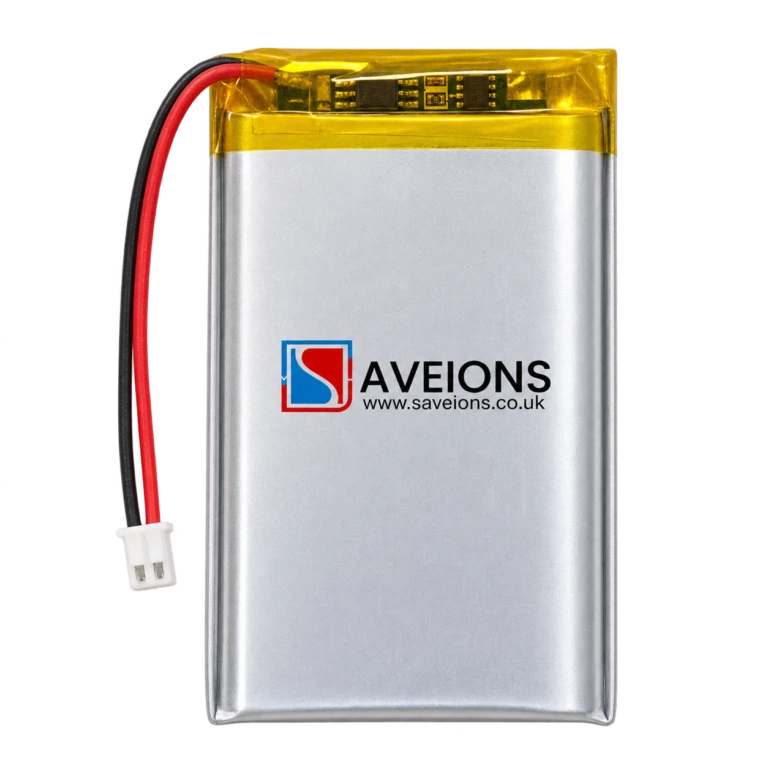
Develop a lithium polymer battery specification around your device, enclosure and operating profile. This custom-supply listing covers discussions of voltage, capacity and integration requirements rather than a fixed electrical configuration. Provide dimensions, current demand and charging constraints so the proposed battery and protection arrangement can be assessed for the intended application.
 In stock
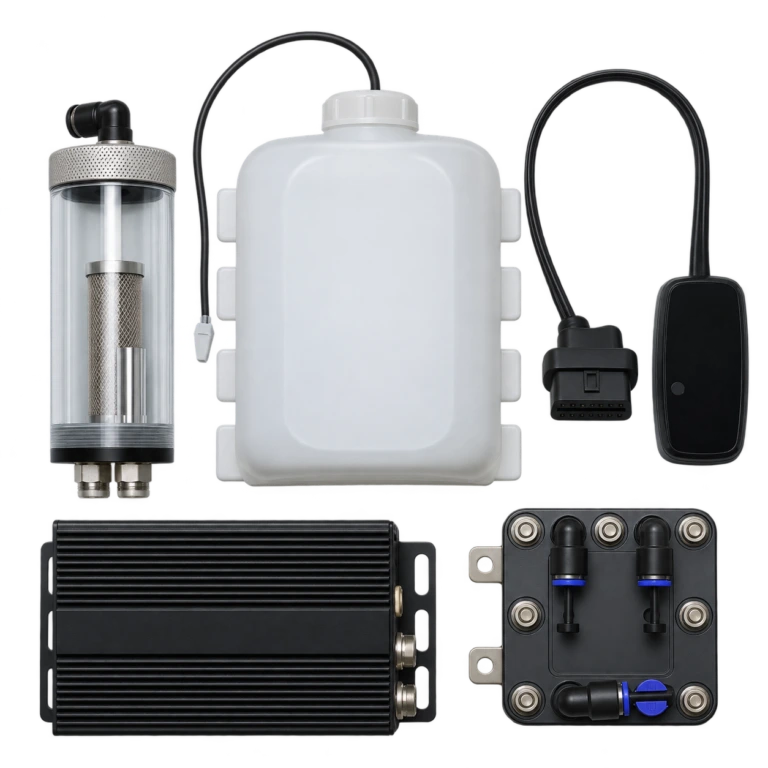
Review a vehicle-oriented hydrogen generator kit with the component scope described in the catalogue. The listing identifies a generator, water tank, separator and control hardware, but does not supply verified vehicle-specific installation evidence. Confirm compatibility, electrical demand, gas handling and applicable requirements before considering any installation or claimed effect on engine performance.
 In stock
Plan rechargeable power integration around an ICR18650 cylindrical lithium-ion cell. This listing identifies the cell family but does not establish a confirmed voltage, capacity or discharge limit. Share the device load, enclosure dimensions and charging requirements so the exact electrical specification and protection arrangement can be confirmed before selection.
 In stock
Specify an INR18650 rechargeable cell around the electrical demands of your device or prototype. The catalogue lists several capacity choices but includes conflicting chemistry and rate descriptions. Confirm the exact cell model, voltage, discharge rating and charging requirements before using a capacity selection as the basis for a battery-pack design.
 In stock
Sale
Up to 50% OFF
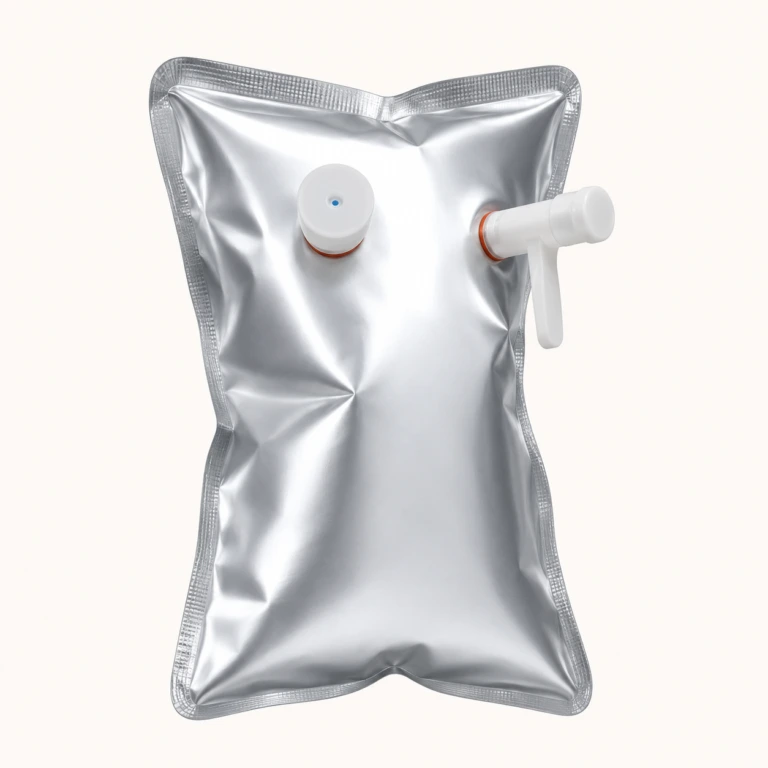
Collect and transport gas samples with multi-layer foil sampling bags available in three listed volumes. The composite film and valve arrangement provide a practical format for laboratory and field sampling. Choose the required capacity and confirm gas compatibility, connection dimensions and handling conditions before planning repeated use or analytical measurements.
 In stock
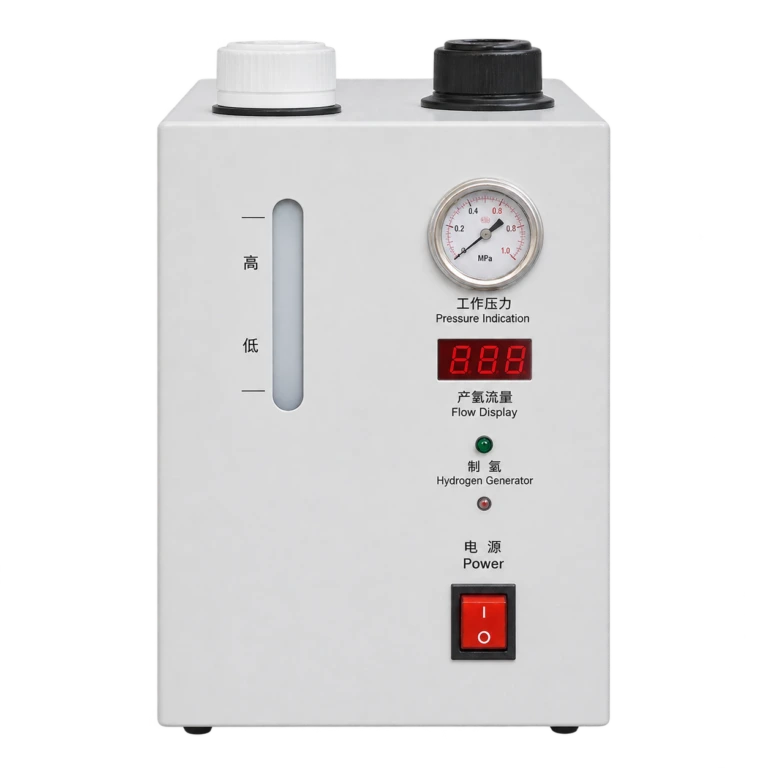
Specify an on-site PEM hydrogen generator around the gas demand of your analytical or research equipment. The listing describes laboratory gas supply and configurable operating arrangements without a complete model schedule. Confirm hydrogen quality, flow, delivery pressure and instrument compatibility, together with the required water supply and installation documentation, before selecting a unit.
 In stock
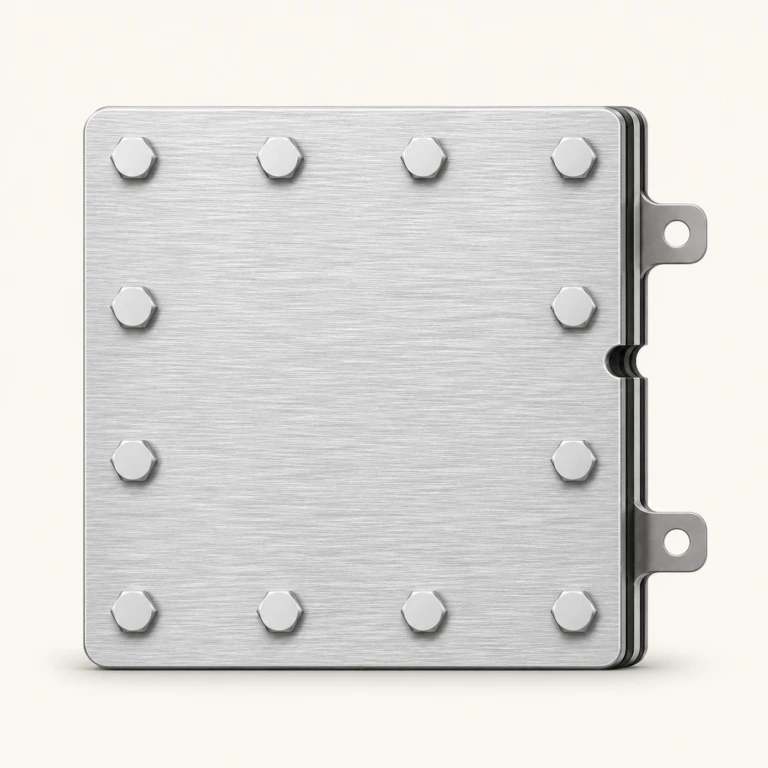
Investigate water electrolysis with a compact PEM hydrogen-generation configuration for laboratory and educational work. The listing provides model-dependent mechanical and electrical ranges, together with purified-water requirements. Match the proposed stack and supporting equipment to your experiment, and obtain a configuration-specific operating specification before using the family ranges to design a system.
 In stock
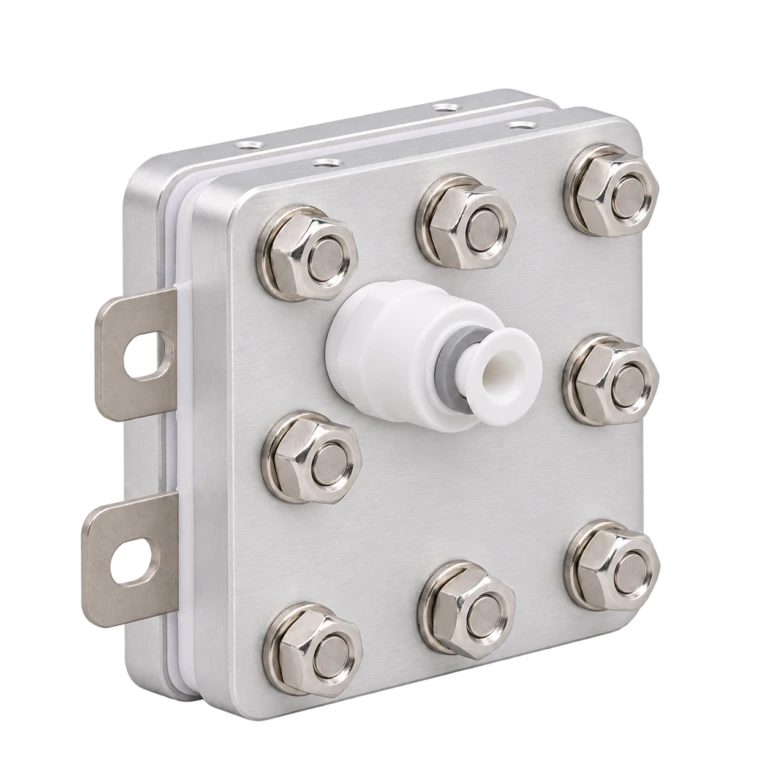
Plan hydrogen-generation experiments with a PEM electrolyser from the listed laboratory and pilot-system family. The catalogue describes several output configurations rather than one fixed machine. Define the required flow, pressure, water supply and downstream use so the proposed stack, controls and supporting equipment can be confirmed for your project before procurement.
 In stock
Specify a conductive electrode substrate with platinum-coated titanium mesh in the listed size options. The titanium support and platinum surface are intended for electrochemical applications where coating selection and geometry matter. Match the mesh to your cell, electrolyte and operating conditions, with coating loading and detailed compatibility confirmed for the chosen configuration.
 In stock
Explore electrochemical transport-layer designs with a platinum-coated titanium PTL in the listed dimensional options. The coated titanium structure is offered for hydrogen and related electrochemical development. Select the required geometry and confirm porosity, coating loading, compression behaviour and interface requirements against the intended cell rather than assuming interchangeability between systems.
 In stock
Sale
50% OFF
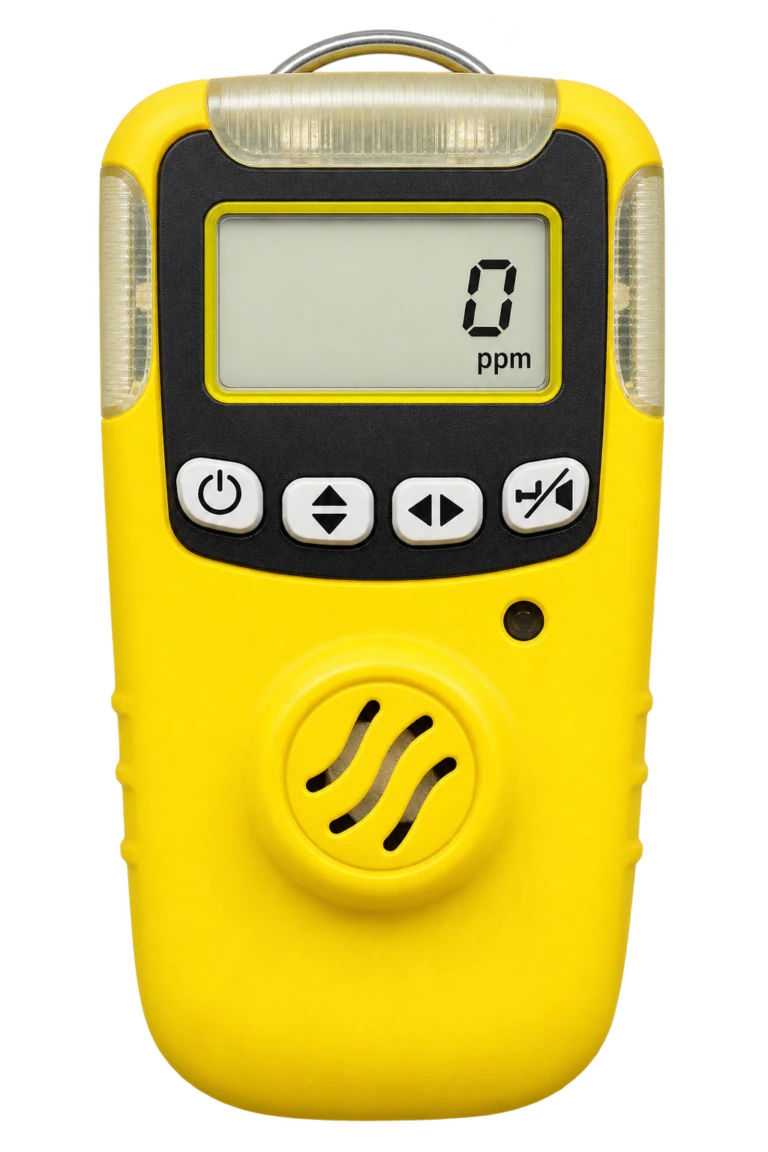
Monitor hydrogen concentration with a portable detector listed for a 0–1000 ppm measurement range. Its handheld format, LCD and audible and visual indications support inspection planning around hydrogen equipment. Confirm calibration, alarm behaviour, environmental limits and certification for the actual instrument before relying on it within a safety-related monitoring procedure.
 In stock
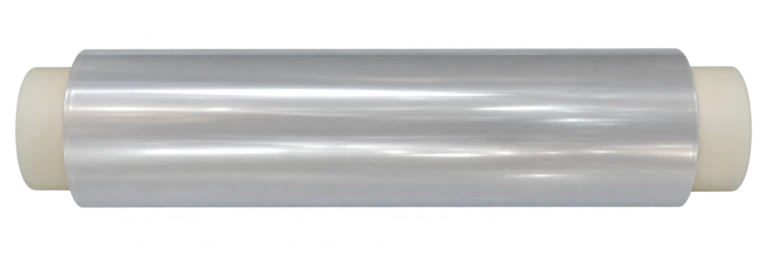
Explore proton-transport and membrane-separator behaviour with a PEM component for electrochemical research. The listing describes fuel-cell and electrolyser use without defining a particular material grade. Specify the cell geometry, thickness, chemistry and conditioning requirements so the proposed membrane can be assessed against the intended experiment and its measurement objectives before selection.
 In stock
Specify a proton exchange membrane for a compatible fuel-cell or water-electrolysis assembly. The membrane provides an ion-conducting separator within the electrochemical cell, with the selected grade and dimensions determining integration requirements. Confirm thickness, material identity, active area and conditioning needs before using a general PEM description as a product-level performance specification.
 In stock
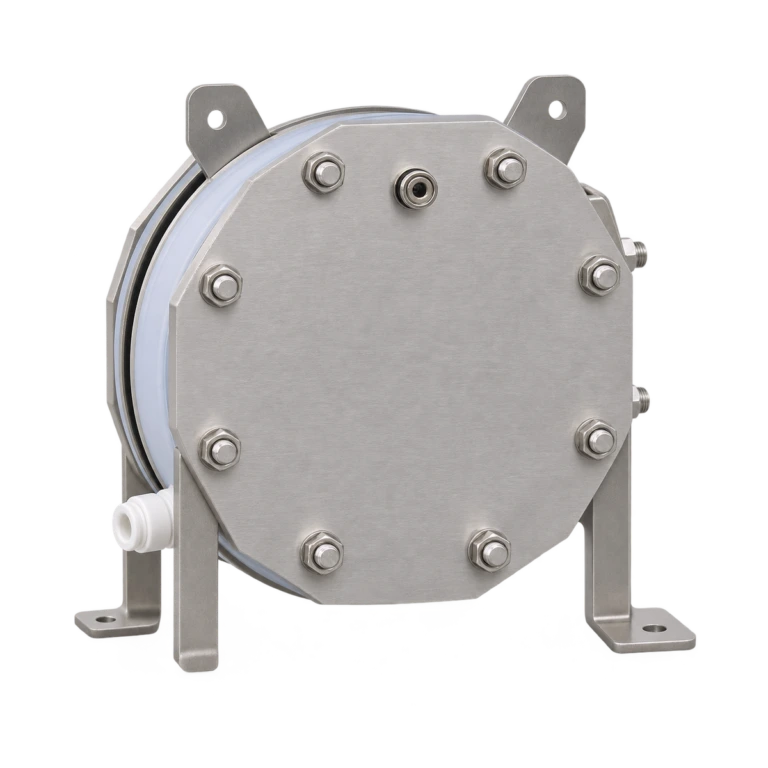
Consider a round compact PEM electrolyser when planning a space-conscious hydrogen-generation project. The listing describes a modular water-electrolysis system for research and other configured applications. Define your required flow, gas quality, pressure and control interfaces so the actual stack and supporting equipment can be assessed against the intended installation before selection.
 In stock
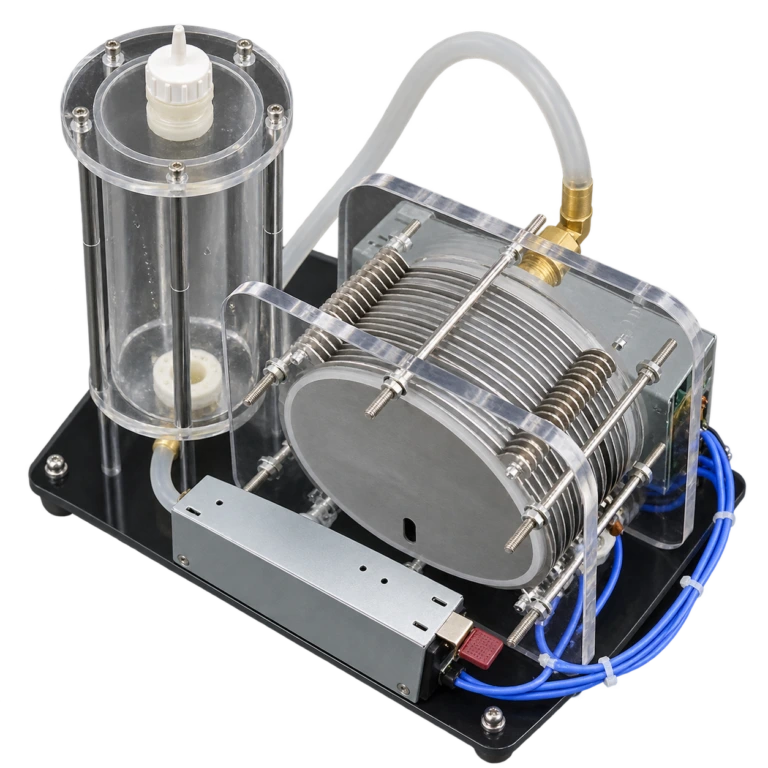
Discuss on-demand hydrogen and oxygen generation for a defined research or industrial process. This water-electrolysis listing describes an adjustable-output equipment family without a complete model-level operating specification. Specify gas demand, required separation, purity and downstream connections so the proposed configuration and its safety provisions can be assessed before installation.