
Conductive textile construction
Polyester fibre is combined with copper and nickel.

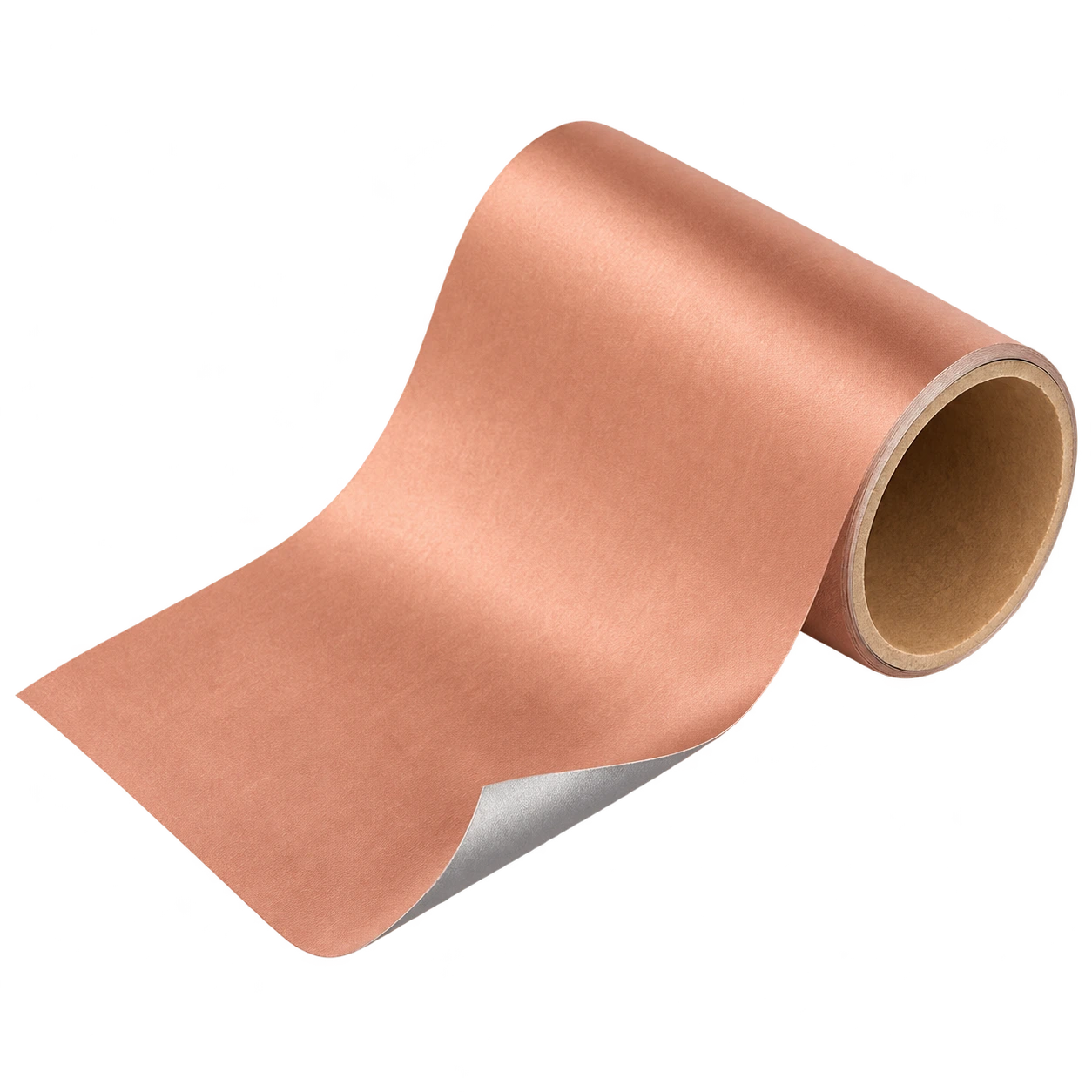



Integrate a flexible conductive fabric into electronic shielding and component-development projects. This material combines a polyester textile with copper and nickel, offering a form that can be cut around a design. Confirm the supplied thickness, resistance, bonding method and tested shielding specification against the frequency range and assembly requirements of your application.
Trusted by researchers and innovators worldwide




Product overview
The conductive cloth is presented for EMI shielding and electronic integration. Its catalogue gives broad thickness and frequency-performance ranges, including conflicting resistance and temperature descriptions. Treat shielding performance as a test-dependent characteristic of the supplied material and finished assembly, rather than a universal result across every frequency and installation.

Polyester fibre is combined with copper and nickel.
The fabric can be considered for shaped and cut components.
Validate contact, bonding and geometry alongside the material specification.

Assess conductive fabric within a defined enclosure-shielding design.

Evaluate material behaviour using an established interference test method.
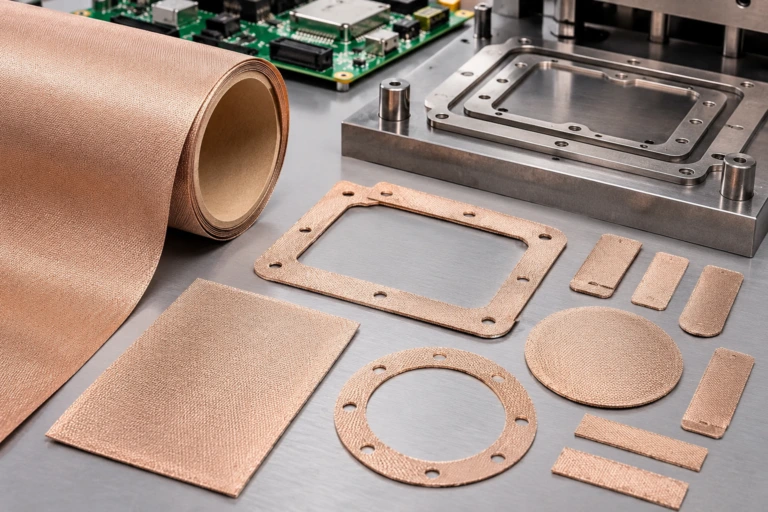
Specify shapes and dimensions for compatible electronic assemblies.

Explore flexible electrical-contact and shielding arrangements.
| Composition | Polyester fibre | Copper | Nickel |
|---|---|
| Catalogue thickness range | 0.015–0.25 mm |
| Catalogue roll width | At least 1090 mm; confirm configuration |
| Catalogue roll length | At least 5000 mm; confirm configuration |
No single verified attenuation curve is supplied for the selected fabric. Request test data for the relevant frequency range and configuration.
The supplied backing and bonding arrangement are not clearly specified. Confirm them before integration.
Include the required configuration, quantity and intended application, together with any dimensional drawing or technical documentation needed for selection. Pricing and supply details can then be confirmed for your request.
Related products
 In stock
Develop electrode and current-collector assemblies with carbon-coated copper sheet. The copper substrate provides a conductive base, while the carbon surface supports investigation of electrode interfaces. Specify the required sheet and coating dimensions for your project, and confirm the exact material configuration before comparing performance across battery or capacitor experiments.
 In stock
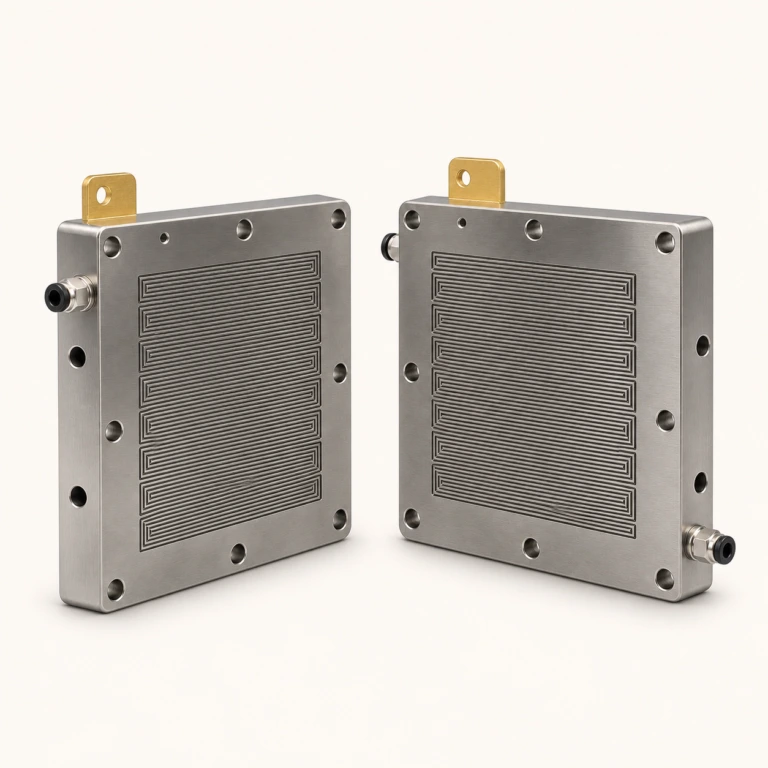
Investigate electrochemical carbon-dioxide conversion using a titanium-based cell assembly with documented plate and partition dimensions. The listing describes a research platform for testing reaction conditions and cell components. Match catalysts, membrane, gas handling and analytical equipment to your experiment; product selectivity and conversion performance depend on the complete system and operating method.
 In stock
Prepare porous electrodes and catalyst supports with nickel foam supplied in the listed sheet sizes. Its interconnected metal structure provides a conductive framework for coating, fluid access and electrochemical investigation. Select the required dimensions and confirm pore grade, surface preparation and electrolyte compatibility before incorporating the material into your experimental system.
 In stock
Specify a conductive electrode substrate with platinum-coated titanium mesh in the listed size options. The titanium support and platinum surface are intended for electrochemical applications where coating selection and geometry matter. Match the mesh to your cell, electrolyte and operating conditions, with coating loading and detailed compatibility confirmed for the chosen configuration.
 In stock
Explore electrochemical transport-layer designs with a platinum-coated titanium PTL in the listed dimensional options. The coated titanium structure is offered for hydrogen and related electrochemical development. Select the required geometry and confirm porosity, coating loading, compression behaviour and interface requirements against the intended cell rather than assuming interchangeability between systems.